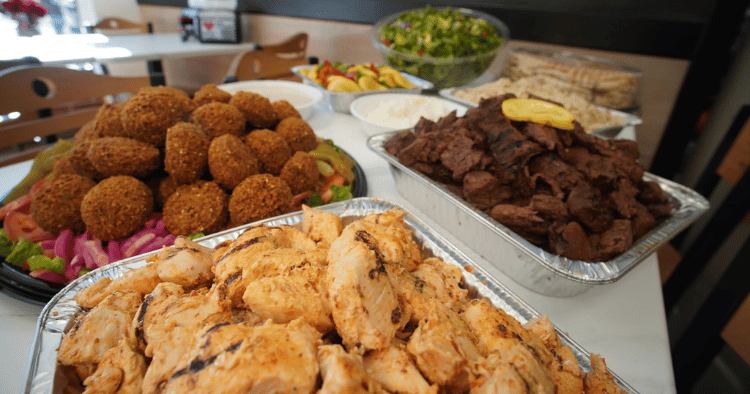

The Only 4 Dietary Restrictions That Cover 95% of ANY Office Team
After 30 years of feeding office teams across Greater Boston, here's what I know: you don't need to solve fifteen dietary problems to place a successful catering order.
You need to get four things right.
Vegetarian, vegan, gluten-free, and halal. Cover those four and you've covered 95% of any office team — tech companies, biotech firms, law offices, all of it. Here's exactly how to handle each one.
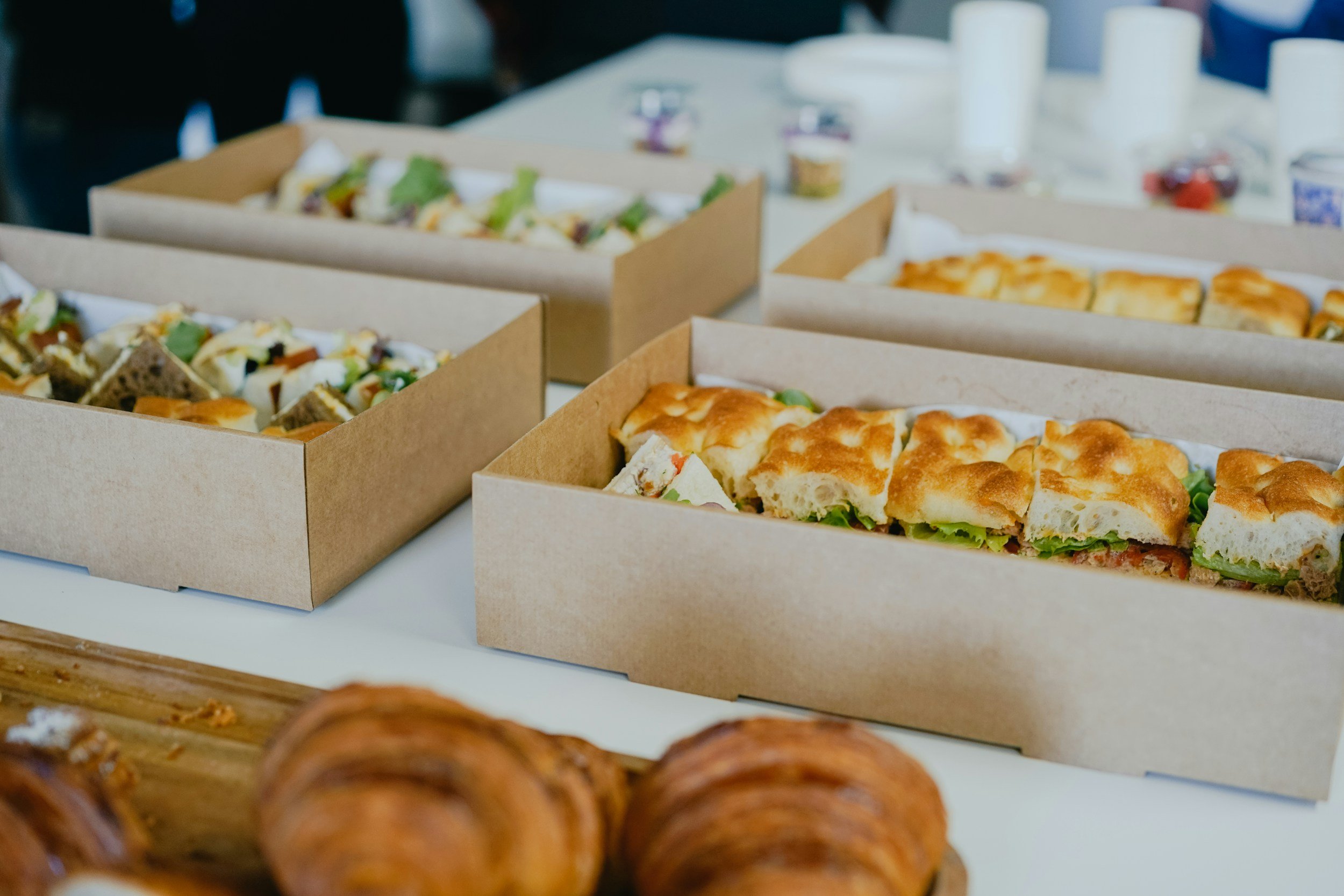
Every week I talk to office managers who are stressed out about food.
They're convinced they need to solve fifteen different dietary problems before they can place a catering order.
They don't.
After 30 years of feeding office teams across Greater Boston, I can tell you this with confidence:
Get four things right and you've covered almost everyone at the table.
That's it. Four.
Let me show you what they are and exactly how to handle each one.
At ANI Catering & Cafe, we've been feeding diverse Boston-area offices for over 30 years. Dietary restrictions aren't a problem we work around — they're something our menu was built for from day one.
The four restrictions that actually matter
Here they are, straight up:
Vegetarian
Vegan
Gluten-free
Halal
That's your list.
Cover these four and you will feed the overwhelming majority of any office team in Greater Boston — tech companies, biotech firms, law offices, hospitals, startups, all of it.
Everything else — keto, paleo, low-FODMAP, dairy-free by preference — is either covered by one of these four already, or it represents one person in fifty who can usually find something that works within a well-planned spread.
Let me break each one down.
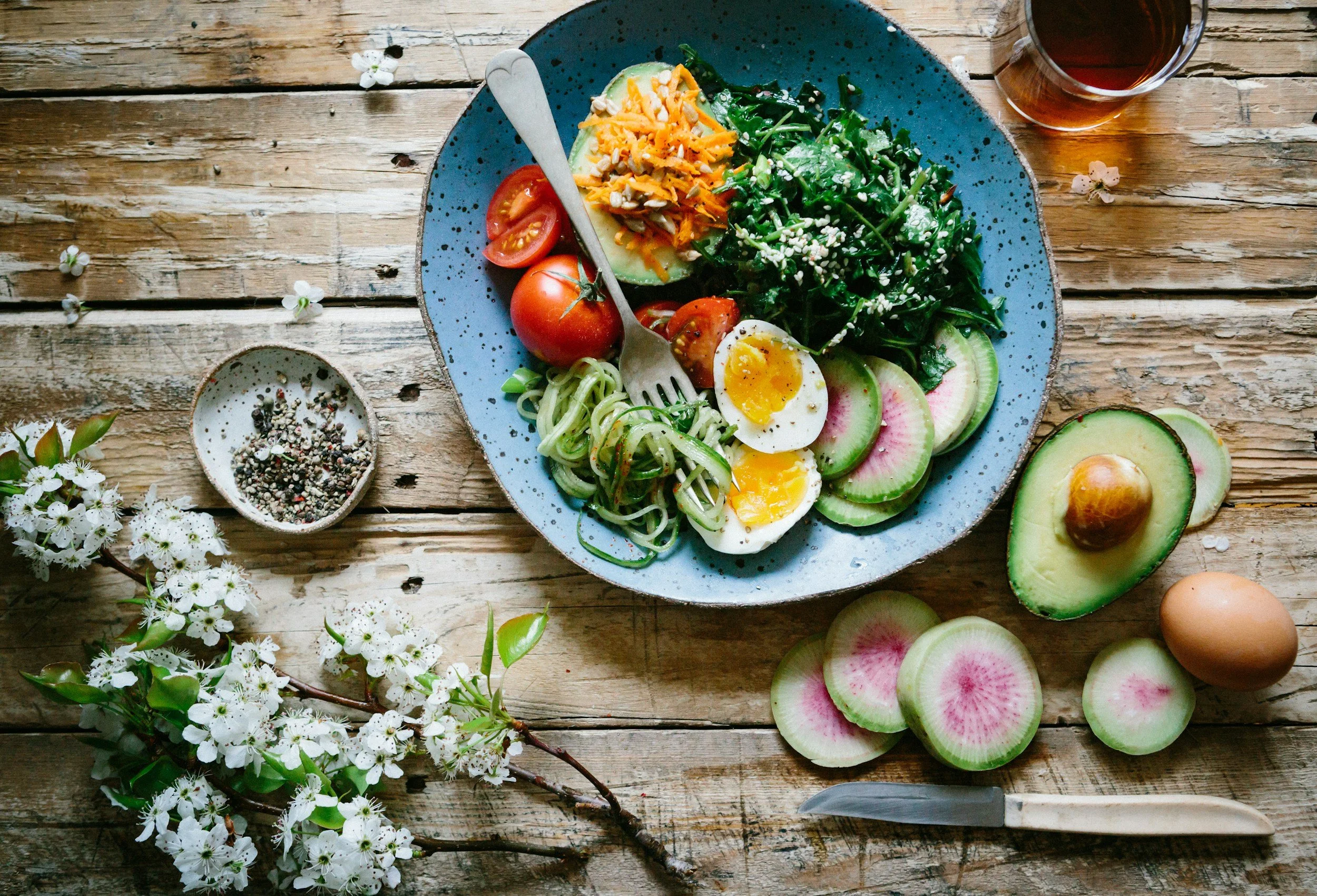
1. Vegetarian — the most common, the easiest to get wrong
More people are vegetarian than you think.
In a team of 25 people in Greater Boston, you're likely looking at 3–5 vegetarians minimum. In tech and biotech offices, often more.
What vegetarian actually means:
No meat
No fish or seafood
Eggs and dairy are fine
What gets it wrong:
Assuming the salad counts as a vegetarian meal
Offering one sad pasta option while everyone else gets protein
Forgetting that vegetarians want a full, satisfying plate — not a side dish with some lettuce
What gets it right:
A real protein source — falafel, lentils, paneer, legumes, eggs
Multiple options, not one
Food that was designed to be vegetarian, not food that had the meat removed
Here is something I tell people all the time:
Vegetarian food is not lesser food. In Middle Eastern cooking, the vegetarian dishes are often the centerpiece. Hummus, falafel, stuffed grape leaves — these aren't sides. They're the main event.
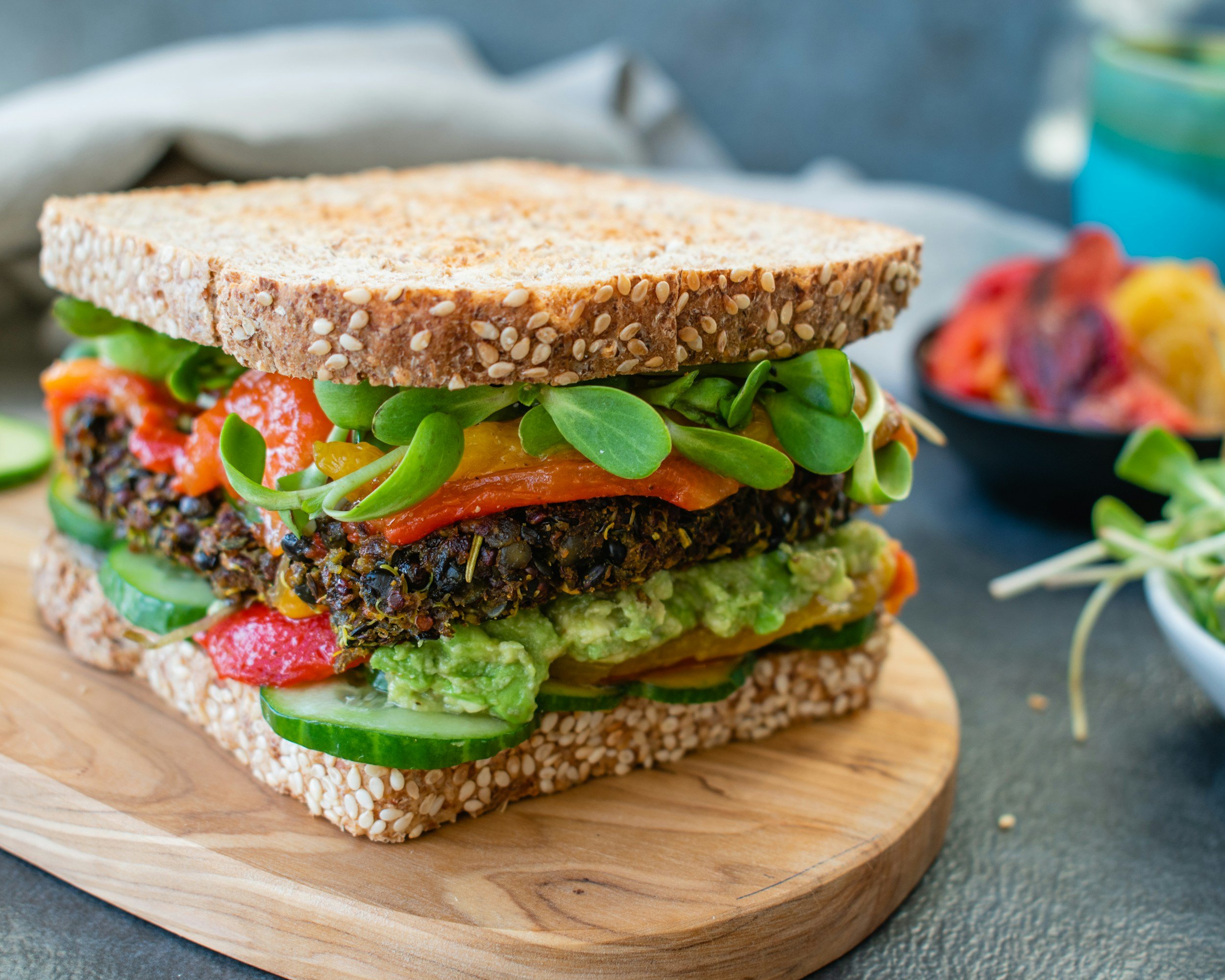
2. Vegan — trickier than vegetarian, more common than you expect
Veganism has grown significantly in the last five years.
In a diverse Boston-area office, you're almost certainly going to have at least one or two vegan employees. In younger teams and tech companies, sometimes several.
What vegan actually means:
No meat, no fish
No dairy — no cheese, no butter, no cream
No eggs
No honey
Where people mess this up:
Ordering a vegetarian spread and assuming vegans are covered
Putting butter or ghee in the rice without mentioning it
Offering a "vegan option" that's just plain vegetables with no protein, no fat, no substance
What gets it right:
Legumes — chickpeas, lentils, fava beans
Falafel — naturally vegan when made properly
Olive oil-based dishes rather than butter or cream
Hummus, baba ghanoush, tabbouleh — all naturally vegan
A full plate, not an afterthought
Here is the honest truth about Middle Eastern food and veganism:
Our cuisine has been accidentally vegan-friendly for thousands of years. Before "plant-based" was a trend, we were cooking with chickpeas and olive oil and calling it Tuesday.
Cover your vegan guests properly and you'll get a thank-you email. Serve them plain steamed broccoli and you'll lose a customer forever.

3. Gluten-free — the one with the highest stakes
This one you need to take seriously.
Some people avoid gluten by preference. That's fine — easy to work around.
But some people have celiac disease. For them, gluten isn't a preference. It's a medical necessity. Even trace amounts cause a real physical reaction.
What gluten-free actually means:
No wheat, no barley, no rye
No regular pasta, no regular bread, no flour-based sauces
Cross-contamination matters for celiac guests — shared utensils and surfaces count
What gets it wrong:
Offering "gluten-free options" that were prepared on the same surface as gluten-containing food
Assuming rice dishes are automatically safe without checking sauces and marinades
Forgetting that pita bread on a shared platter contaminates everything it touches for a celiac guest
What gets it right:
Naturally gluten-free dishes — grilled proteins, rice, legumes, fresh salads
Clear labeling on every container
Keeping gluten-free items physically separated from bread and pita
When in doubt, ask your caterer directly: "Is this dish prepared separately from gluten-containing items?"
The question to ask every caterer:
"Do you have a protocol for celiac guests or is this just gluten-friendly?"
Those are two different things. A good caterer knows the difference immediately.
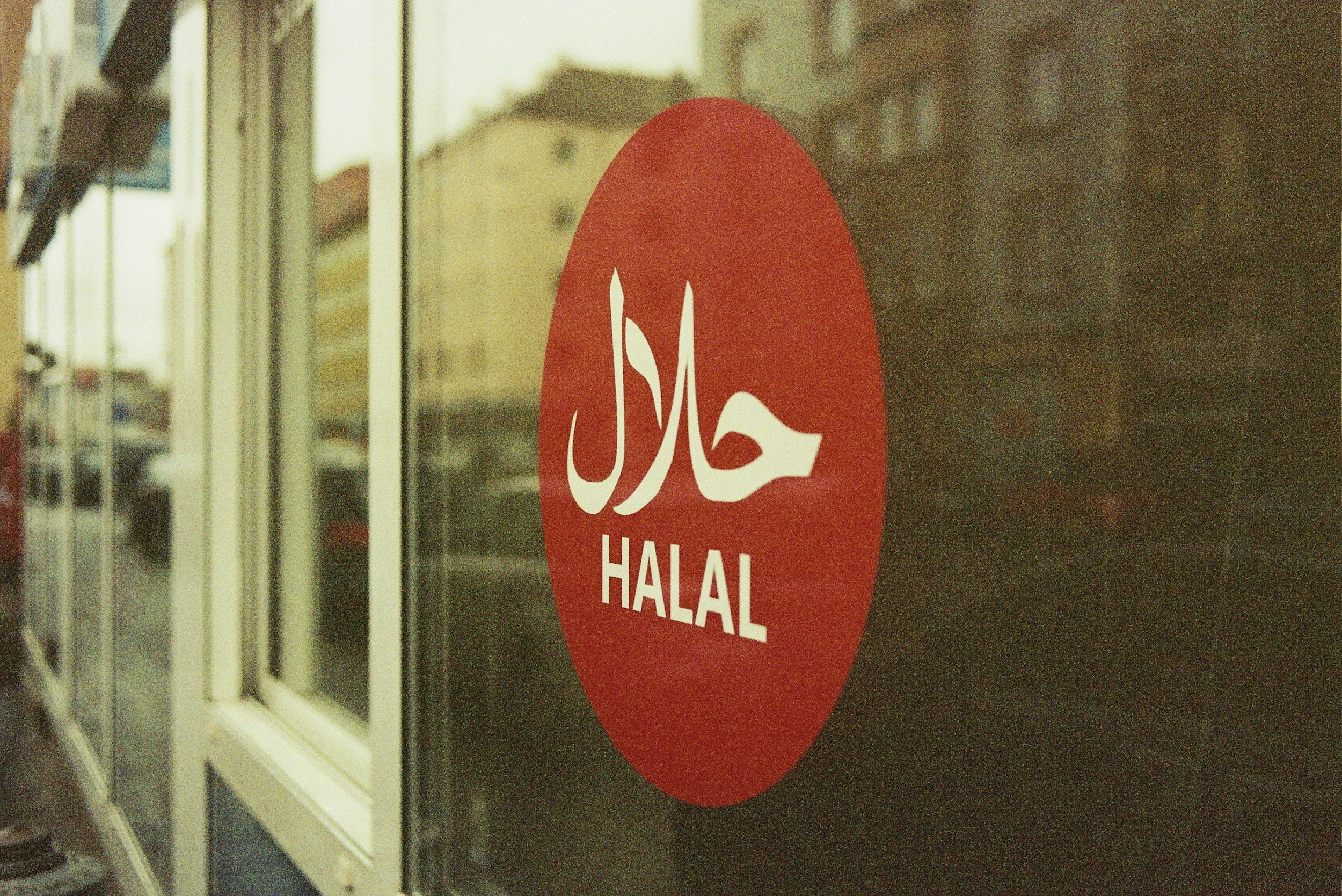
4. Halal — the most overlooked and the most important to get right
This one surprises people.
Boston has a large and growing Muslim population. Cambridge and Waltham specifically have significant Muslim communities working in tech, biotech, medicine, and academia.
In your office right now, there is almost certainly someone who keeps halal — and they've probably quietly been picking around the food at catered lunches for months without saying anything.
What halal actually means:
Meat must be slaughtered according to Islamic guidelines
No pork or pork-derived products
No alcohol in cooking
The entire preparation process matters — not just the meat itself
What most caterers get wrong:
Assuming "no pork" covers it
Using wine or beer in sauces without mentioning it
Not being able to confirm whether their supplier is halal-certified
What gets it right:
Halal-certified meat from a verified supplier
Being able to say clearly and confidently: "Yes, our meat is halal certified"
No hidden pork products in sauces, stocks, or seasonings
Here is what I want you to understand about this one:
When a Muslim employee walks into a catered lunch and sees halal-certified food labeled clearly — that moment matters to them. It tells them their employer thought about them specifically. That's not a small thing.
ANI has been halal-certified for years. It is not an accommodation we added. It is how we operate.
How these four work together
Here is the beautiful thing about these four restrictions:
They overlap almost perfectly.
A well-built Mediterranean or Middle Eastern spread covers all four simultaneously without anyone having to order something special.
Think about it:
Falafel is vegetarian, vegan, and gluten-free
Grilled kabobs are halal and gluten-free
Hummus is vegetarian, vegan, and gluten-free
Tabbouleh is vegetarian, vegan, and gluten-free
Rice dishes are vegetarian, vegan, gluten-free, and halal
One cuisine. One order. Four restrictions covered.
No separate meals. No special requests. No one eating a fruit cup while everyone else has a real lunch.

The one thing to do before your next catering order
Send this four-question survey to your team right now:
Are you vegetarian?
Are you vegan?
Do you need gluten-free options?
Do you require halal food?
That's it.
Four questions. Five minutes.
You will know exactly what you're working with before you call a single caterer.
And when you do call — make sure they can answer yes to all four without hesitation.
If they can't, keep looking.
THE SHORT VERSION
Four restrictions cover 95% of any office team: vegetarian, vegan, gluten-free, halal
Vegetarian means a real protein source — not a salad
Vegan means no dairy or eggs either — not just no meat
Gluten-free has two levels: preference and medical — treat every case as medical
Halal means certified — not just "no pork"
Mediterranean and Middle Eastern cuisine covers all four simultaneously in a single order
Survey your team with four questions before you touch a menu